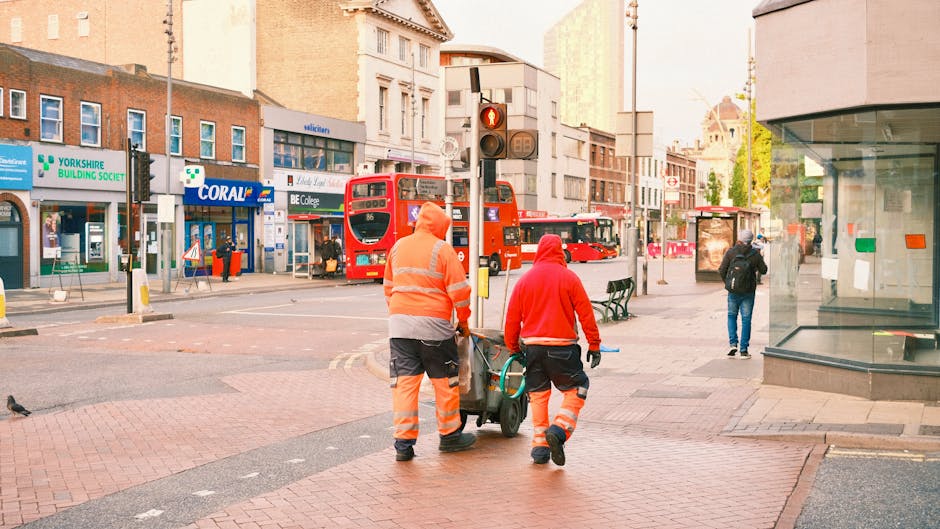
Hornsey High Street Shop Rubbish Removal for Small Businesses
If you run a small shop on Hornsey High Street, rubbish can build up quickly. Cardboard piles up after deliveries, old display stock takes over the back room, broken fixtures get shoved into corners, and before long the space feels cramped and a bit chaotic. Hornsey High Street shop rubbish removal for small businesses is really about getting that clutter out of the way safely, quickly, and with as little disruption as possible.
For independent retailers, the challenge is not just "getting rid of waste". It is keeping the shop floor presentable, protecting staff safety, and staying on top of business responsibilities without losing half a day to sorting a van-load of junk. This guide walks through how the process works, what it is useful for, where the risks sit, and how to choose the most sensible method for your shop. There is a lot to think about, truth be told, but it becomes much easier once you break it down.
For related business services, you may also find business waste removal, general waste removal, and online booking useful if you want a simple next step.
Table of Contents
- Why it matters
- How it works
- Key benefits and practical advantages
- Who this is for and when it makes sense
- Step-by-step guidance
- Expert tips for better results
- Common mistakes to avoid
- Tools, resources and recommendations
- Law, compliance, standards, or best practice
- Options, methods, or comparison table
- Case study or real-world example
- Practical checklist
- Conclusion
- Frequently asked questions
Why Hornsey High Street shop rubbish removal for small businesses Matters
On a busy high street, waste is not a background issue. It shapes how your shop looks, how your staff move, how customers feel when they walk in, and how smoothly your day runs. A tidy shop front says a lot. A pile of broken packaging, old shelving, or forgotten stock in the back sends the opposite message. It is a small thing, but it matters more than people sometimes admit.
Small businesses often work with limited storage. That means even a modest amount of rubbish can cause real problems. A boxed-up return area becomes unusable. A stock cupboard starts to overflow. Fire exits and corridors can get blocked if waste is left too long. And if you are dealing with awkward items like broken appliances, glass, or damaged furniture, the issue becomes more than untidy - it becomes a safety concern.
There is also the customer side of it. People notice a shop that feels organised. They notice clean floors, clear entrances, and a back-of-house area that does not smell faintly of old cardboard and rain-soaked packaging. You do not need a perfect space. Just one that feels looked after. That is often enough to build trust.
For shops that need a more regular service, it can help to look at business waste removal for small premises and the wider support around recycling and sustainability. Those pages are useful if your goal is to keep waste under control rather than deal with it in emergency bursts.
Practical takeaway: the sooner shop waste is removed, the easier it is to protect your trading space, your team, and your customer experience. Letting it sit "just until next week" is how small clutter turns into a messy corner that nobody wants to touch.
How Hornsey High Street shop rubbish removal for small businesses Works
In most cases, shop rubbish removal is straightforward. You gather the unwanted items, describe what needs clearing, arrange a collection time, and the waste is removed from the premises. The details matter, though, because shop waste is rarely just one type of rubbish. It is often a mix of packaging, display materials, broken fixtures, end-of-line stock, and the odd item that has become too awkward to keep.
The process usually starts with a quick assessment. For example, a small clothing boutique may need rails, cardboard, broken hangers, and packaging removed after a refit. A takeaway might have old fridge units, crates, and sacks of general rubbish. A beauty salon could need empty product packaging, unwanted furniture, and perhaps confidential waste handled separately. Different waste streams call for different handling.
A good service should be clear about what can be taken, what needs special handling, and how access will work. That is especially important on Hornsey High Street where loading space, pavement access, and shop hours can all affect the collection. You do not want a team turning up with the wrong assumptions. That is how delays happen. Nobody needs that on a Saturday morning rush.
In practical terms, here is what usually happens:
- You identify the waste and group it by type if possible.
- You request a collection or quote based on volume, weight, access, and item type.
- A team arrives at an agreed time and removes the waste from inside or just outside the shop.
- Items are sorted for recycling, reuse, or disposal where appropriate.
- You get your floor space back, which honestly feels better than it sounds.
When mixed items are involved, it helps to understand special services too. For example, damaged stock in bulk may sit alongside furniture disposal, while old fridges or chilled units may need fridge and appliance removal. If there are sharp objects, solvents, aerosols, or chemicals, those may fall under hazardous waste disposal rather than standard shop rubbish.
Key Benefits and Practical Advantages
For small businesses, the best waste solution is not always the cheapest one on paper. It is the one that saves time, keeps the shop safe, and reduces hassle over the next few weeks. That is where professional rubbish removal tends to earn its keep.
- Less disruption to trading: Waste can be removed outside busy hours, which helps if you need the shop open during the day.
- Better presentation: A clean, organised shop feels easier to browse and easier to trust.
- Safer work areas: Clear floors and back rooms reduce trip hazards and awkward lifting.
- Faster clear-outs: One collection can deal with what would otherwise take staff hours to sort, bag, and move.
- Better use of space: Back rooms and stock areas become useful again instead of becoming a dumping ground.
- Improved recycling outcomes: Proper sorting can keep cardboard, metal, and reusable items out of general waste where suitable.
There is also a quiet psychological benefit. A cluttered stockroom can make a team feel behind before the day even starts. Clear it out, and the pace changes. People move more easily, think more clearly, and stop sidestepping boxes every five minutes. Small win, big effect.
If your shop is going through a refit, it may help to combine rubbish removal with a more specific service such as builders waste clearance. That is often a better fit for broken fittings, plasterboard offcuts, timber, or packaging from construction work than a general waste solution alone.
Who This Is For and When It Makes Sense
This kind of service is ideal for independent shops and compact business premises where waste builds up in bursts rather than in a perfectly even pattern. Think of a corner shop after a seasonal reset, a barber after a refresh of chairs and mirrors, a gift shop clearing damaged stock, or a cafe replacing worn furniture. These are not huge industrial sites. They are working businesses with limited space and limited time.
It tends to make sense when you are dealing with any of the following:
- End-of-line stock that cannot be sold
- Cardboard, shrink wrap, and packaging after deliveries
- Broken display units, shelving, or shop fittings
- Old furniture from a fit-out or rebrand
- Back-room clutter that is stopping day-to-day work
- Items too bulky or awkward for standard bins
- Waste that needs separating because it is not all the same type
It is also a good fit if your staff are already stretched. In a small business, every hour matters. Sending two employees to the tip, or asking one person to wrestle with a heavy cabinet on their lunch break, is not always the smartest use of time. To be fair, it often ends up costing more than it saves.
For premises that need more than one-off help, regular office clearance or periodic waste removal can help keep things under control between busy periods.
Step-by-Step Guidance
Here is a practical way to handle shop rubbish removal without turning it into a mini crisis.
1. Walk through the shop and list everything that needs going
Start with the obvious items, then check the less visible spaces. Back rooms, under counters, stock cupboards, and storerooms often hide more waste than the shop floor does. It is surprising. You think you have "just a few boxes", and then there is a broken shelf, three bagged items, and a chair nobody remembers buying.
2. Separate waste types where it helps
Try to keep cardboard, general rubbish, reusable items, electrical items, and anything potentially hazardous apart. You do not need to create a perfect sorting system, but a bit of grouping makes the collection smoother and can reduce avoidable handling time.
3. Measure access and note any restrictions
Can a vehicle stop nearby? Is there rear access? Are there narrow stairs, a basement, or a narrow corridor? These details change the logistics. A clear picture up front means fewer surprises on collection day.
4. Decide whether you need a one-off clearance or a repeat service
If this is a one-time reset after a refit or stock purge, a one-off collection is usually enough. If waste appears every week from deliveries, packaging, or refurbishment work, a repeat arrangement may be more useful.
5. Book a slot that suits trading hours
Many shops on a high street prefer early morning, late evening, or quieter weekday times. That helps avoid customer disruption and keeps the front of shop tidy. If your trade is busiest between lunch and mid-afternoon, do not schedule waste removal then unless you enjoy stress for breakfast.
6. Make sure staff know what is being taken
One overlooked box can contain sensitive paperwork or items you intended to keep. Put labels on anything uncertain. A quick internal note saves a lot of backtracking later.
7. Check the space after collection
Look at floors, corners, and fire exit paths. It is worth taking two minutes to confirm the area is genuinely clear, especially if you want to restock or move fixtures straight away.
Expert Tips for Better Results
Small choices make a big difference here. A few habits can keep shop waste removal smoother, cheaper in practice, and less disruptive overall.
- Keep a waste corner: Designate one small area for items awaiting removal. It stops "temporary" clutter spreading everywhere.
- Label bulky items: If something is staying, label it. If it is going, label that too. It sounds basic, but it really helps on busy days.
- Take photos before booking: A few quick pictures help explain what needs removing, especially for mixed loads.
- Think in terms of workflows: If waste keeps appearing near deliveries, place bins and storage where the problem starts, not where the final pile ends up.
- Plan around stock cycles: Clearance is often easiest just after a delivery reset, seasonal change, or promotional changeover.
If your shop handles confidential paperwork, receipts, or customer data, do not put that in general waste. A separate confidential shredding arrangement is safer and easier to defend if anyone asks later. A bit boring maybe, but very sensible.
And if you are replacing appliances, it is usually smarter to remove them in one planned visit instead of leaving them "for later". Later has a habit of becoming six weeks.
Common Mistakes to Avoid
Most waste headaches come from a few predictable mistakes. The good news is that they are easy enough to avoid once you know what to look for.
- Leaving waste until closing time chaos hits: If you wait until the shop is overloaded, the job becomes harder and more disruptive.
- Mixing everything together: Recyclable materials, general waste, and special items are easier to manage when they are separated sensibly.
- Ignoring access problems: A collection can be delayed by something as simple as a blocked doorway or a parked vehicle.
- Forgetting about bulky waste: Shelving, counter units, old seating, and appliances need more planning than bagged rubbish.
- Assuming all waste is standard waste: Some items need special handling, especially electricals or anything potentially hazardous.
- Not checking disposal needs in advance: If you know what you are throwing away, you can avoid awkward last-minute decisions.
One small real-world example: a shop may clear everything from the back room, only to realise later that two cardboard boxes contained old stock returns that were meant to be recorded before disposal. That sort of thing happens. A simple checklist prevents it.
Tools, Resources and Recommendations
You do not need a warehouse system to manage shop rubbish well, just a few practical tools and a bit of discipline. Nothing fancy. Honestly, too many systems become a job in themselves.
- Clear bins or labelled sacks: Useful for separating cardboard, general rubbish, and mixed items.
- Moving equipment: Trolleys, sack trucks, and dollies help with heavier items if staff are moving waste internally.
- Basic inventory notes: A shared list of what is being cleared helps avoid accidental disposal of stock or shop tools.
- Photo records: Helpful for quotes, planning, and confirming what was removed.
- Storage tape and labels: Quick, cheap, and surprisingly effective in a busy shop environment.
For larger clear-outs, it can help to compare your options with the information on pricing and quotes. If the waste includes mixed furniture, display pieces, or shop seating, furniture clearance and mattress and sofa disposal may also be relevant depending on what is being removed.
Shop refits and seasonal changes can also produce more material than expected, in which case it is worth reading what can go in a skip even if you do not end up using a skip. It helps you understand what is generally accepted and where the awkward items sit.
Law, Compliance, Standards, or Best Practice
Waste handling for businesses in the UK should always be treated carefully. You do not need to memorise legislation to run a small shop responsibly, but you do need to know the basic expectations: waste should be stored safely, passed to a suitable carrier, and kept separate where certain items require it. If you are unsure about a material, treat it cautiously and ask before it is loaded into the wrong pile.
Best practice usually means:
- Keeping walkways and exits clear
- Storing waste so it does not attract pests or create slip hazards
- Separating hazardous items from standard rubbish
- Using proper handling for heavy or sharp objects
- Making sure any contractor is properly insured and follows safe working methods
That last point matters more than people think. If items are being carried through a busy shop or loaded near customers, you want sensible procedures, not guesswork. A trustworthy provider should be able to talk plainly about access, lifting, timing, and insurance without sounding vague. If they dodge those questions, that is a red flag. Not dramatic, just useful to know.
You can also review health and safety policy, insurance and safety, and payment and security if you want a clearer sense of how the service is structured and how the business approaches trust and risk.
Plain-English rule: if an item could cause harm, leak, cut, break, or contaminate other waste, do not treat it casually. Separate it, label it, and ask for the right handling path.
Options, Methods, or Comparison Table
Small businesses usually choose between a few practical waste routes. The best choice depends on how much you need removed, how urgent it is, and what kind of items you are dealing with.
| Method | Best for | Pros | Trade-offs |
|---|---|---|---|
| Ad hoc bin disposal | Small daily waste | Simple and familiar | Not suitable for bulky items or clear-outs |
| Skip-style approach | Ongoing refurbishment or large mixed waste | Handy for larger volumes | Needs space and planning; not ideal for every high street shop |
| One-off rubbish removal | Store resets, stock purges, shop refits | Fast, tidy, low disruption | Requires booking and a clear list of items |
| Specialist item removal | Appliances, confidential waste, hazardous materials | Safer handling for specific risks | May need separate arrangements |
In many Hornsey High Street shops, one-off rubbish removal is the sweet spot. It gives you speed without forcing you to manage a skip outside for days, which is not always practical on a busy street. That said, for ongoing renovation work, it may make sense to combine this with builders waste clearance or more structured commercial disposal support.
Case Study or Real-World Example
Imagine a small independent gift shop preparing for a seasonal display change. The owner needs to clear old shelving, damaged packaging, a broken counter stool, several mixed cardboard bundles, and a couple of outdated storage units from the back room. There is also a small pile of returned stock that needs checking before disposal. Nothing dramatic. Just the kind of job that quietly eats up a morning.
Rather than asking staff to do it between customers, the owner groups the waste by type, confirms what needs to stay, and books a removal slot for before opening. The team arrives, clears the items from the shop and stock room, and sorts the load so reusable and recyclable materials are handled properly. By opening time, the floor is clear, the back room is usable again, and the new display can go in without people stepping over boxes.
That is the main value, really. Not glamour, not grand transformation. Just breathing room. The shop feels ready again. Staff can move properly. Customers do not see the messy middle stage.
We have seen similar situations where a store first planned to hold waste for "a few more days" and then realised it was blocking a stock delivery. That is usually the moment people say, right, we should have done this sooner.
Practical Checklist
Use this quick checklist before arranging Hornsey High Street shop rubbish removal for small businesses:
- List every item that needs removing
- Separate general waste, cardboard, furniture, appliances, and hazardous items
- Check whether anything contains confidential information
- Measure access points, stairs, and doorway widths if needed
- Choose a collection time that avoids peak trading
- Confirm who will unlock, supervise, or sign off the job
- Protect floors or walls if bulky items need to be moved out
- Make sure fire exits and customer paths stay clear
- Keep anything uncertain aside until it has been checked
- Review the cleared space straight after collection
That sounds like a lot written out, but in real life it is a short, sensible routine. A couple of minutes at the start saves a messy half-hour at the end.
Conclusion
Hornsey High Street shop rubbish removal for small businesses is less about "disposing of junk" and more about keeping a compact business running smoothly. When waste is handled well, the shop looks better, staff work more safely, and the whole place feels easier to manage. That matters whether you are clearing after a refit, dealing with old stock, or simply trying to stop the back room from swallowing itself.
The best results usually come from a simple plan: sort the waste, understand any special items, choose a collection time that suits your trade, and use a service that takes safety and practicality seriously. Nothing fancy. Just clear thinking and a steady process. That is often enough.
If you are ready to clear space and get back to work without the clutter hanging over you, start with the service information and book when it suits you best.
Get a free quote today and see how much you can save.
And if you are still deciding, that is fine too. The important thing is to make the space work for you again. A clear shop has a calmer rhythm, and that calm is worth protecting.
Frequently Asked Questions
What counts as shop rubbish for a small business?
Shop rubbish can include cardboard, packaging, damaged stock, broken shelving, old display items, office-style waste from the back room, and bulky items such as counters or seating. Some items are standard waste, while others need specialist handling.
Can rubbish be removed without closing the shop?
Often yes. Many small businesses arrange collections before opening, after closing, or during quieter periods. The key is planning access and timing so customers are not disrupted.
Is Hornsey High Street shop rubbish removal suitable for one-off clear-outs?
Yes. It is especially useful for one-off events such as stock resets, refits, end-of-season changes, or clearing a cluttered stock room. You do not need to commit to regular collections if you only need a single job.
What if my waste includes furniture or old fittings?
That is common. Shop fittings, display units, chairs, tables, and other bulky items can often be handled through furniture-related clearance rather than general bin waste. It helps to describe the items clearly when booking.
Do I need to sort recyclable waste before collection?
It is usually helpful, though not every load must be perfectly sorted. Separating cardboard, metal, reusable items, and general waste can make the process smoother and may improve recycling outcomes.
Can hazardous items be included in the same load?
Not always. Hazardous waste should be identified separately and handled with care. If you are unsure whether something is hazardous, it is safer to set it aside and ask before mixing it with standard waste.
How do I prepare a small shop for rubbish removal?
Group the waste, clear access routes, label anything uncertain, and make sure staff know what is being removed. It also helps to remove anything you intend to keep from the same area first. Simple, but effective.
What is the difference between shop rubbish removal and business waste removal?
Shop rubbish removal usually focuses on a clear-out or bulky items from a retail premises. Business waste removal is broader and can cover routine commercial waste streams for ongoing use. The right option depends on whether your need is occasional or regular.
Can I get help with mixed waste from a shop refit?
Yes. Mixed loads are common during refits. You may need a combination of general waste removal, builders waste clearance, and special item handling depending on what has come out of the premises.
How do I avoid paying for unnecessary waste removal?
List the items carefully, separate what can be recycled or reused, and be clear about access and volume. The more accurate your description, the easier it is to match the right service to the job.
Is waste removal a good option for very small shops with limited space?
Usually yes. In compact premises, keeping waste on-site for too long can cause more problems than arranging a prompt removal. If the shop feels tight or cluttered, a one-off collection can be a very practical fix.
Where can I learn more before booking?
You can review the details on pricing and quotes, about us, and contact us to get a better sense of the process and the service approach.