Commercial Waste Removal in Hornsey

Commercial waste removal in Hornsey needs to be straightforward, dependable and suited to the way a business actually works. We handle the collection and clearing of trade waste, unwanted office items, bulky fixtures and mixed materials that are ready to leave site, with the aim of keeping your premises usable and your disposal route orderly. That includes day-to-day business waste removal as well as one-off clearances that call for careful separation, loading and responsible transfer.
Our work is centred on helping local organisations move waste out efficiently while keeping the process practical for staff, visitors and neighbouring premises. We can support offices, shops, hospitality venues, managed properties and other commercial spaces that need a clear plan for rubbish, old furniture, broken equipment or surplus stored items. If you are comparing options, the right service is the one that matches the volume, type and access conditions of your waste, not just the headline job name.
Use the sections below to see the main service groups, the kinds of materials they usually cover and the factors that can shape collection. When you are ready to take the next step, ask for a quotation using the contact details provided on the site.
Business waste collections for workplaces and shared premises
Business waste collections are often the simplest option when the material is mixed, bagged or boxed and needs removing without interrupting the working day. We can clear everyday commercial rubbish, packaging, archive material, redundant fittings and general items that no longer serve the operation. For many premises, the main concern is not just removal but doing it in a way that respects access, loading space and the timing of staff movements.
Where the waste stream includes a variety of items, it helps to think first about what is reusable, recyclable, bulky or potentially sensitive. That makes the collection more organised and can reduce last-minute sorting at the point of removal. Our service can be arranged around those practical differences, and where needed we can work from a simple list that sets out the main materials before attendance. For related information, you may also find the business waste removal page useful when comparing what this type of collection can cover.
A well-planned business collection is usually the best choice when the aim is to restore floor space, clear back rooms or remove accumulated waste from a site that cannot shut down completely. Clear access and accurate material descriptions make the whole process easier, particularly in premises with shared corridors, lifts or parking limits. If you already know the approximate volume, that can help with planning; if not, a brief description is usually enough to start.
Office waste removal and furniture disposal
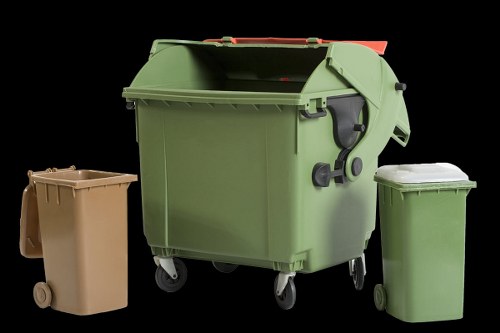
Office waste removal often combines paper-based waste, packaging, old IT peripherals and furniture that has reached the end of its useful life. Desks, chairs, filing units and meeting-room pieces may all need different handling, especially where items are heavy, awkward or mixed with general rubbish. We can remove office waste in a way that supports a tidy handover, refurbishment, relocation or simple reorganisation of the working environment.
Furniture disposal matters when there is more than one type of item on site. A workspace clear-out may involve a few surplus chairs, a bank of old cabinets or a complete room refresh, and each of those situations has its own loading and sorting requirements. If you are planning a larger clear-out, the office clearance page gives another route into this same service family, while the furniture clearance page is helpful where the job is mainly bulky items rather than general office waste.
In practical terms, office collections work best when the waste is grouped before the team arrives and any items that should stay on site are clearly separated. That reduces confusion in shared buildings and helps the removal stay focused. Good preparation does not need to be complicated; a note of room names, access issues and the rough mix of items is usually enough to begin.
Bulky item clearance and specialist disposal

Some commercial clearances are shaped less by volume than by the type of object involved. Heavy furniture, white goods, tired mattresses, broken sofas and other bulky items can take more effort to move safely than ordinary bagged waste. We can help with the lifting, loading and removal of those larger items so they do not hold up a refurbishment, tenant change or premises reset.
For businesses that need particular item categories removed, it can be useful to separate the general clearance from the specialist disposal piece. The mattress and sofa disposal page is relevant where soft furnishings are the main issue, while fridge and appliance removal covers a different type of bulky waste with its own handling needs. Where a wider mix of furniture needs shifting, furniture disposal can be a better fit.
This kind of work is usually most effective when the items are identified in advance and kept accessible. If a building has narrow stairs, shared entrances or limited parking, those details matter because they affect loading and the order in which items come out. Being precise about the item mix is often more helpful than simply saying that “everything needs removingâ€.
Clearance for storage areas, lofts, garages and back rooms
Many businesses build up waste away from the front of house, especially in garages, loft spaces, basements, cupboards and stores that are used for overflow. These spaces can gradually collect redundant stock, packaging, broken fittings and old equipment until they become difficult to use. We can clear those hidden or underused areas as part of a commercial waste removal visit, helping you reclaim the space for storage, access or operational use.
When the work includes a range of room types, the service may overlap with the garage clearance page or the loft clearance page, depending on the location of the items. Where a whole property or business unit has become cluttered, the broader home clearance and house clearance pages show other clearance options, although commercial premises often need a more targeted approach. We can adapt to that by removing only the agreed contents and leaving the rest of the site in place.
For clearances in enclosed or awkward areas, access is often the deciding factor. Stairs, ladders, low ceilings, uneven floors and limited headroom can all change how the job is staged. It helps to identify these points early so the removal can be organised efficiently and without avoidable disruption. If the space is heavily stacked, a short inventory of the main items can make the visit much smoother.
Builders waste clearance and site tidy-up support
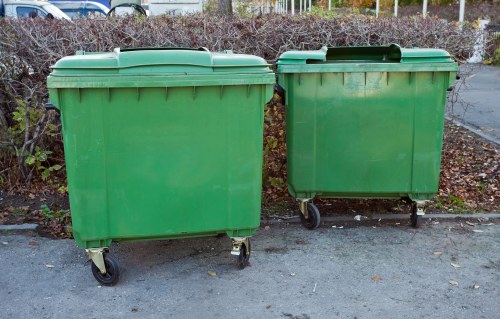
Commercial waste removal in Hornsey can also include builders waste clearance when work on a premises leaves rubble, packaging, timber offcuts or dismantled materials behind. This is often needed after refurbishment, fit-out work or repair projects where the contractor leaves a mixed pile rather than a neatly separated load. We can remove that waste so the site is easier to hand over, inspect or reopen.
In this setting, the most useful thing is usually a clear description of what is on site rather than a generic request for “site clearanceâ€. The builders waste clearance page is the best fit when renovation debris is the main issue, while the broader waste removal page suits mixed commercial waste that does not fall into a single specialist category. If the materials include more sensitive items, the hazardous waste disposal page provides another route to the relevant service area.
Three details are especially useful for this sort of work:
- the type of waste, such as rubble, timber, packaging or mixed debris
- the access route, including stairs, loading bays, lifts or parking limits
- the amount of material, whether it is a small leftover pile or a larger clearance
About Hornsey
 Hornsey is a district in North London within the London Borough of Haringey, situated between Crouch End, Wood Green and Muswell Hill. Its name is associated with the historic ancient parish of Hornsey, and the area still carries traces of that long development through a mix of older residential streets, later suburban housing and main-road commercial frontages. Hornsey station on the Great Northern route links the neighbourhood into wider rail travel, while nearby Turnpike Lane and Finsbury Park broaden its connections to bus and Underground networks. The area sits close to the Parkland Walk, a notable linear green route created on a former railway alignment, which adds a distinctive outdoor feature to the local landscape. Hornsey High Street, Priory Road and the surrounding streets show a varied urban fabric, with period terraces, local shops and civic buildings appearing alongside more modern additions. The Salvation Army building on Tottenham Lane is one of several recognisable landmarks in the district, and Alexandra Palace lies to the north-east, providing a widely known cultural and landscape reference point for the broader area. Hornsey’s built environment reflects layers of suburban growth, post-war change and ongoing local adaptation, giving the district a character that is both residential and mixed-use. Its proximity to larger centres means it is part of a busy north London corridor, yet many of its streets retain a neighbourhood-scale feel. Green space, transport links and the blend of commercial and domestic architecture together shape how the area is experienced by residents and visitors alike.
Where a business is based in or around Hornsey, the practical side of waste clearance often comes down to keeping premises clear without creating unnecessary disruption. That can mean dealing with one-off bulky items, regular trade waste or the residual mess left after a move or alteration. Our role is to remove agreed materials in an orderly way, leaving you with a clearer working area and a more manageable route for ongoing disposal. If you would like to see how the service is structured, the next section looks at pricing and quotation factors in plain terms.
When you are ready, ask for a quotation and give a brief description of the items, the access and the location within the premises. That is usually enough to begin a sensible assessment. For a fuller overview of pricing-related information, the pricing and quotes page is available as a useful next step.
Pricing factors and quotation details
Commercial waste removal costs are usually shaped by the kind of waste, how much there is, and how straightforward it is to load and remove. Bulky furniture, mixed materials, awkward access and heavier items can all affect the work involved. A clear description helps because it lets the collection be matched to the task instead of being treated as a generic removal.
We do not need a long explanation to start, but useful details can include the approximate quantity, whether items are stacked or loose, and whether anything must remain on site. If the waste includes confidential papers or sensitive material, the confidential shredding page may be relevant as part of a wider disposal plan. For general administrative information about payments and site handling, payment and security and insurance and safety are available on the website.
It is often simplest to prepare one short note covering the type of waste, the access route and the preferred timing. That keeps the enquiry focused and makes it easier to compare what needs clearing with the practical steps required on the day. If you have a mixed load, grouping the items by room or by material can also help the quotation process stay accurate.
Recycling, sorting and responsible disposal
Commercial waste removal is not just about taking items away; it also depends on how the waste is sorted once it leaves the site. Mixed loads can contain recyclable materials, reusable fixtures and items that need separate handling because of their make-up. Our service is designed to move the agreed materials out of the premises and into the right disposal route according to the type of waste involved.
For businesses that want more background on how materials are handled, the recycling and sustainability page gives a relevant overview. If you are dealing with items from home-type clearances as well as trade waste, the flat clearance and house clearance pages can help distinguish between domestic and commercial jobs. The distinction matters because the item mix, access pattern and disposal route are often different.
In day-to-day terms, responsible disposal begins with recognising which items should not simply be bundled together. Paper, furniture, metal, appliances and mixed rubbish are not always handled in the same way, so separating them where possible can make the work more orderly. Where separation is not practical, we can still take a structured approach based on the material types present.
How to arrange the collection
If you are planning a clearance, the most helpful first step is to identify the main items and where they are located. A brief written description usually works well, especially if the waste sits in more than one room or if the premises has restricted access. You do not need to over-explain the job, but a few practical notes can make the collection easier to organise.
It also helps to think about whether the items are ready for removal or whether they still need separating. For example, a mixed office load may include shredding, furniture and packaging, while a stockroom clear-out could involve shelving, boxes and general rubbish. If the job also includes a private or controlled area, make that clear at the enquiry stage so the collection can be planned accordingly. The contact us page is the final point of enquiry for arranging the next step.
When you contact us, try to include: the address or site type, the waste categories involved, any access limitations and whether the clearance is a one-off or part of a larger move or fit-out. That is usually enough to request a quotation without turning the process into a long exchange. Clear details lead to a clearer plan, and that is often the quickest route to getting the waste dealt with properly.
Other commercial clearances and related services
Some commercial jobs do not sit neatly inside one category, and that is where broader clearance options become useful. A premises may need a combination of business waste removal, furniture disposal and general waste removal, especially if it has been occupied for a long time or is being reconfigured. We can help with the agreed materials and leave out anything that is to stay on site.
Where a business holds large quantities of old stock, filing or storage contents, a more complete property clear-out may be more suitable than a simple collection. The about us page gives further background on the business, while the book online page is available if you prefer to take a more direct route to arranging the work. For broader item categories, the fridge and appliance removal and furniture clearance pages provide additional service-specific context.
Whatever the mix, the aim is to keep the removal practical and controlled. That means making room for access, keeping the agreed contents together and using the most suitable disposal route for the items involved. If the site contains only a small amount of waste, a targeted collection may be enough; if there is more to clear, a fuller visit may be the better option.
Planning a commercial clearance with confidence
The best commercial waste removal jobs are usually the ones that are clearly defined from the start. Once the waste type, access route and likely volume are understood, the collection can be matched to the site without guesswork. That is useful for offices, retail units, workshops, managed properties and any other premises where space matters and waste cannot simply be left in place.
For sites that handle a variety of material types, the service may also overlap with more specific pages such as the garage clearance or loft clearance pages when storage areas are involved. If you are unsure which page best matches your situation, the broad waste removal page is a sensible reference point. It is still worth separating commercial waste from domestic clutter, because the practical arrangements are usually different.
As a final point, keep the enquiry focused on what needs moving rather than on a long backstory. A short note, a few item descriptions and the access details are normally enough to move ahead. If you have those ready, request a quotation and the next stage becomes much easier to shape.